

The Importance of Regular Ship Maintenance for Safety at Sea
Maintaining a ship is a critical task that ensures not only the operational efficiency of the vessel but also the safety of its crew and cargo. Ships operate in some of the harshest environments on the planet, facing challenges from corrosion, mechanical wear, and the stresses of continuous operation. Therefore, regular ship maintenance is an essential practice that shipowners cannot afford to neglect. From hull cleaning to engine overhauls, the array of maintenance tasks required for a vessel is vast. In this blog post, we’ll explore why regular ship maintenance is so important and what key areas shipowners need to focus on to keep their vessels in optimal condition.
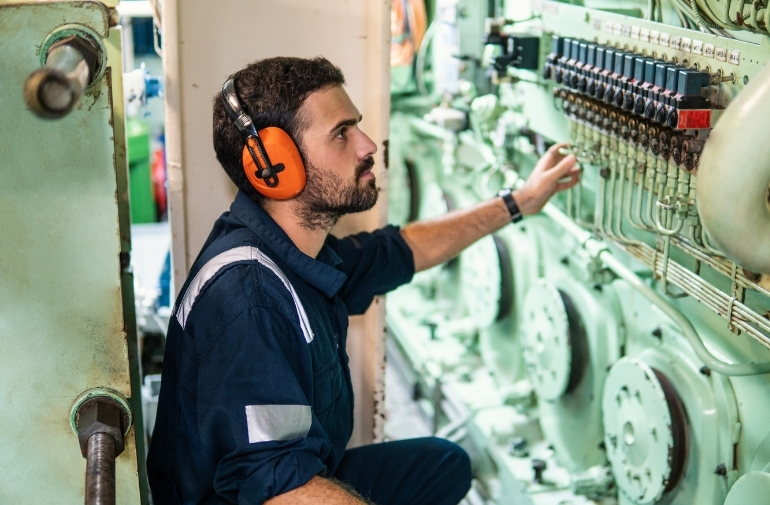
One of the primary benefits of routine maintenance is the ability to identify and address potential problems before they become serious. A small crack in the hull or a minor engine issue, if left unchecked, can grow into a major problem that could lead to significant downtime or, worse, accidents at sea. Through frequent inspections, shipowners can catch these small problems early, which not only prevents accidents but also saves money in the long run by avoiding costly repairs or replacements.
Safety is undoubtedly the most critical aspect of regular ship maintenance. A well-maintained ship is a safe ship, both for the crew operating it and the cargo being transported. Safety equipment such as life rafts, fire extinguishers, and emergency lighting systems must be inspected regularly to ensure they are fully operational. Furthermore, the structural integrity of the vessel, including the hull, decks, and bulkheads, needs constant monitoring to prevent any weak spots that could compromise the ship’s ability to withstand harsh marine conditions.
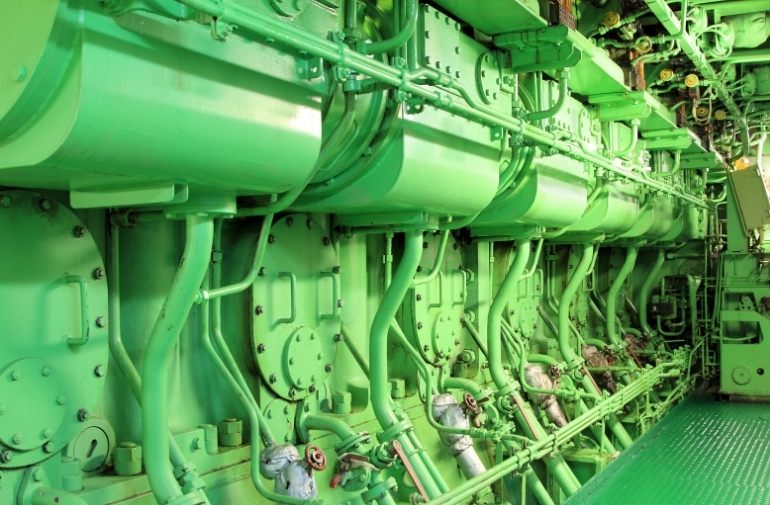
In addition to safety, regular maintenance contributes to the overall performance and efficiency of a ship. A ship that is well-maintained operates more smoothly, consumes less fuel, and requires fewer emergency repairs. For example, a clean hull can reduce drag in the water, which improves fuel efficiency and reduces operational costs. Similarly, regular engine overhauls ensure that the engine is running at peak efficiency, which again contributes to lower fuel consumption and less environmental impact. These factors are increasingly important as the maritime industry faces growing pressure to reduce emissions and adhere to stricter environmental regulations.
Another important aspect of ship maintenance is the legal and regulatory requirements that shipowners must comply with. International maritime laws, such as the International Convention for the Safety of Life at Sea (SOLAS) and the International Maritime Organization (IMO) regulations, require ships to undergo regular inspections and maintenance to ensure they meet the necessary safety and environmental standards. Failure to comply with these regulations can result in fines, detentions, and even the revocation of a ship’s operating license. Therefore, regular maintenance is not only a matter of safety and efficiency but also a legal necessity.
Documenting all maintenance activities is another crucial component of a successful maintenance program. A detailed log of all repairs, inspections, and upgrades ensures that no task is overlooked. This log is also an essential tool for demonstrating compliance with international regulations during inspections. Furthermore, having a comprehensive maintenance history can increase the resale value of a ship, as potential buyers will want to see proof that the vessel has been properly maintained throughout its service life.
In conclusion, regular ship maintenance is not just a good practice; it is a necessity for the safe, efficient, and legal operation of any vessel. From routine inspections to major overhauls, each task plays a critical role in keeping a ship seaworthy. By staying on top of maintenance, shipowners can avoid costly repairs, improve operational efficiency, and ensure the safety of their crew and cargo. In today’s highly regulated maritime industry, following international maintenance standards is more important than ever. A well-maintained ship is a safe ship, and a safe ship is a successful one.
Leave A Message