

The Importance of Life-Saving Equipment on Ships
Life-saving equipment is indispensable on ships, providing essential protection in emergencies where lives are at stake. The harsh and unpredictable conditions of the sea can lead to unforeseen accidents, from storms to collisions, making it crucial for vessels to be fully equipped with the appropriate safety gear. Life-saving equipment is designed to offer immediate assistance and improve the chances of survival when incidents occur, ensuring that crew members and passengers can escape danger and seek rescue if needed. The presence of such equipment is not just a regulatory requirement but a fundamental aspect of maritime safety, safeguarding lives in the most critical situations.
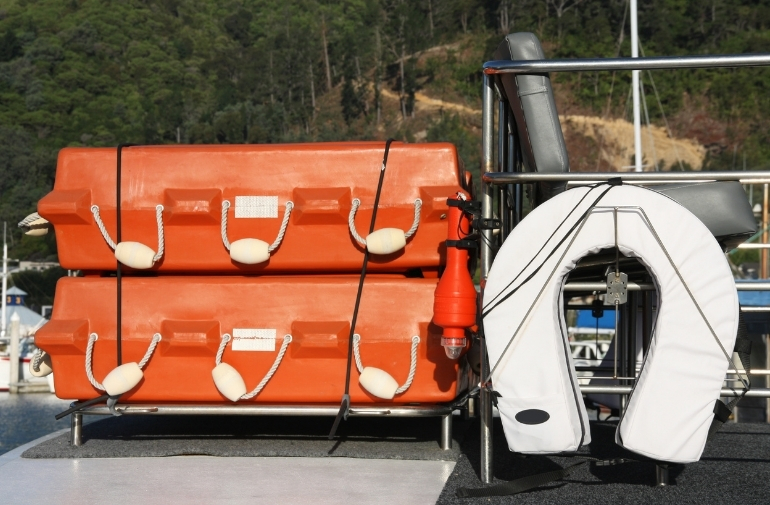
There are various types of life-saving gear that every ship must carry to ensure the safety of everyone on board. The most commonly recognized items include lifeboats, life rafts, life jackets, and distress signals. Each of these pieces of equipment plays a specific role in the event of an emergency. Lifeboats and life rafts provide a means of escape from a sinking or incapacitated vessel, giving survivors a secure platform until rescue arrives. Life jackets, which should be worn by all crew members during an emergency, are designed to keep individuals afloat and prevent drowning. Distress signals, such as flares and emergency position-indicating radio beacons (EPIRBs), help rescuers locate the ship or survivors quickly, speeding up the rescue process.
In addition to lifeboats, life jackets, and distress signals, other essential life-saving equipment includes immersion suits, lifebuoys, and rescue boats. Immersion suits, often referred to as survival suits, are designed to protect crew members from hypothermia in cold water environments. These suits are critical in colder climates where the chances of survival decrease significantly if a person is exposed to icy water for prolonged periods. Lifebuoys, commonly seen on the decks of ships, are used to provide immediate flotation support for anyone who falls overboard. Rescue boats, which are smaller and faster than lifeboats, are used to retrieve individuals from the water or assist in towing life rafts to safety. These various tools, when used properly, significantly improve the chances of survival during maritime emergencies.
Routine checks and maintenance of life-saving equipment are critical to ensure that they function effectively in emergencies. Over time, even the best equipment can deteriorate due to exposure to the harsh marine environment, leading to wear and tear that can compromise its effectiveness. Lifeboats and life rafts must be regularly inspected for damage, and their release mechanisms must be tested to ensure they can be deployed quickly when needed. Life jackets should be checked for buoyancy and physical damage, while distress signals must be stored in easily accessible Location and replaced periodically to ensure they are operational. Regular maintenance and inspections not only comply with safety regulations but also ensure that the equipment will perform as intended when lives are on the line.
Understanding the correct use of life-saving appliances is another vital aspect of maritime safety. Having the right equipment on board is only effective if the crew knows how to use it properly. Regular safety drills and training sessions should be conducted to familiarize crew members with the operation of life-saving devices. This includes knowing how to properly wear a life jacket, how to launch lifeboats and life rafts, and how to activate distress signals during an emergency. Proper training can make a significant difference in survival rates, as it ensures that crew members can act quickly and decisively during a crisis, minimizing confusion and maximizing the effectiveness of the safety equipment.
Regulatory requirements for life-saving equipment on commercial vessels are governed by international maritime laws, primarily the International Convention for the Safety of Life at Sea (SOLAS). These regulations mandate that all ships, depending on their size and type, must carry a specified amount of life-saving equipment. For example, SOLAS requires that passenger ships must have enough lifeboats and life rafts to accommodate all passengers and crew, and that each individual must have access to a personal life jacket. Additionally, ships must carry EPIRBs and other distress signaling devices to ensure they can communicate their location in case of an emergency. Compliance with these regulations is not only a legal obligation but a vital part of ensuring the safety of all those on board.
Ultimately, every ship must be fully equipped with the necessary life-saving equipment, and crew members must be adequately trained in their use. Safety is a collective responsibility, and it is essential that both ship management and crew work together to maintain high safety standards. This includes conducting regular safety drills, keeping all equipment in top working condition, and staying up to date with the latest safety regulations and practices. The importance of life-saving equipment on ships cannot be overstated, as it plays a critical role in protecting lives during emergencies. By prioritizing safety and ensuring that all vessels are properly equipped, the maritime industry can continue to safeguard the lives of those who work and travel at sea.
Leave A Message