

Best Safety Practices for Ship Crews
Ensuring the safety of ship crews is paramount for smooth and efficient maritime operations. Working at sea presents a unique set of hazards, and maintaining high safety standards is crucial for protecting crew members, preventing accidents, and ensuring the success of a voyage. The maritime industry is highly regulated, with strict safety protocols that must be adhered to by all crew members and ship operators. By following best safety practices, shipowners can not only safeguard their crew but also reduce downtime, avoid costly accidents, and ensure compliance with international safety regulations. In this blog, we will explore essential safety guidelines that every crew member should follow while onboard a vessel.
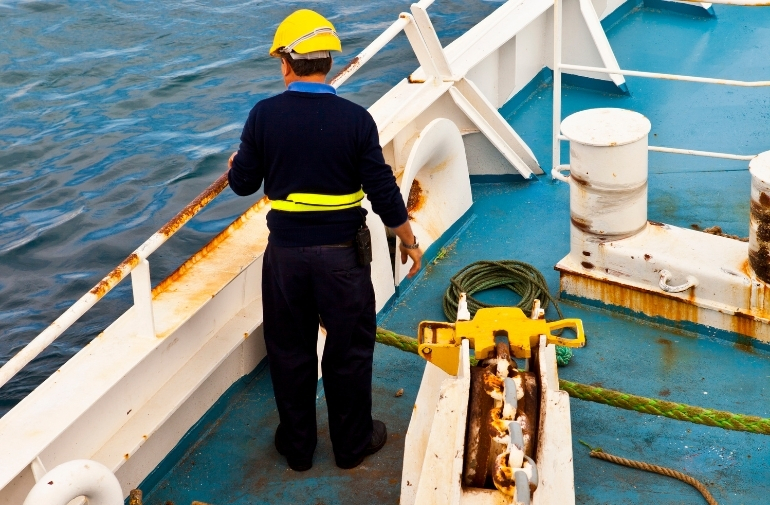
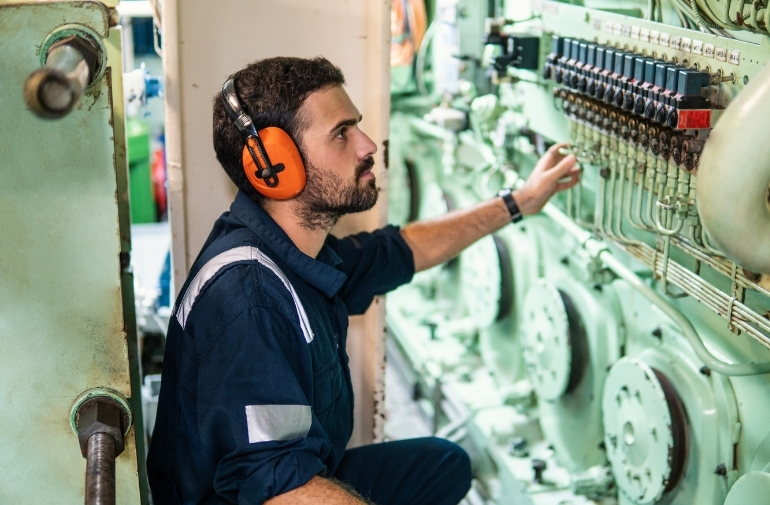
One of the fundamental aspects of maritime safety is the use of personal protective equipment (PPE). Crew members must wear appropriate PPE at all times when working in hazardous areas, such as the engine room, deck, or during loading and unloading operations. Common types of PPE used onboard ships include hard hats, safety goggles, gloves, and protective footwear. Depending on the type of work being performed, additional protective gear such as respiratory masks, ear protection, and harnesses may be required. Wearing the correct PPE can significantly reduce the risk of injuries and accidents. Ship operators should ensure that all crew members are trained on the proper use and maintenance of PPE to ensure their safety.
In addition to PPE, emergency preparedness is a critical component of maritime safety. Regular emergency drills, such as fire drills, man-overboard drills, and abandon ship exercises, are essential for ensuring that all crew members know how to respond in the event of an emergency. These drills should be conducted frequently and cover a range of potential scenarios, from fire outbreaks to collisions. Effective emergency response depends on the crew’s ability to act quickly and efficiently, so it is important that these drills are taken seriously and reviewed regularly. Safe navigation practices are another key element of ship safety. Crews must be trained in the use of navigational equipment, such as radar and GPS systems, and follow established protocols to avoid collisions and groundings.
Continuous training and awareness are vital for maintaining high standards of maritime safety. Safety regulations and technologies are constantly evolving, and it is crucial for crew members to stay up to date with the latest developments. Ongoing safety training helps crew members develop a deeper understanding of the risks they face and how to mitigate them effectively. Training should cover a wide range of topics, from basic safety protocols to specialized training for specific roles, such as engine room operations or cargo handling. By prioritizing continuous education, ship operators can ensure that their crews are well-equipped to handle any situation that may arise while at sea.
Risk assessment and hazard identification are two key elements in preventing accidents at sea. Before any task is undertaken, crew members should assess the risks involved and take appropriate measures to mitigate those risks. This may include identifying hazards, such as slippery surfaces, unsecured cargo, or faulty equipment, and implementing safeguards to reduce the likelihood of an accident. A proactive approach to risk management is essential for maintaining a safe working environment. Additionally, crew members should be encouraged to report any potential hazards they encounter so that corrective actions can be taken before an accident occurs.
Ship management also plays a crucial role in ensuring a safe working environment for the crew. It is the responsibility of ship managers to enforce safety protocols, maintain equipment, and ensure that all crew members receive the necessary training and resources to perform their duties safely. Regular inspections of the ship’s systems, such as fire suppression equipment, life-saving appliances, and electrical systems, should be carried out to identify and address any potential safety issues. In addition, ship management should foster a culture of safety by promoting open communication and encouraging crew members to prioritize safety in their daily tasks.
Safety is everyone’s responsibility onboard a vessel. While ship management is responsible for providing the necessary tools and resources, it is up to each individual crew member to follow safety protocols and look out for the well-being of their colleagues. By working together and adhering to best safety practices, crews can reduce the risk of accidents and ensure a safe and successful voyage. Whether it’s wearing the correct PPE, participating in emergency drills, or conducting thorough risk assessments, every crew member plays a vital role in maintaining the safety of the ship. A strong safety culture not only protects the crew but also enhances the overall efficiency and performance of the vessel.
Leave A Message