

The Role of Ballast Water Treatment in Marine Conservation
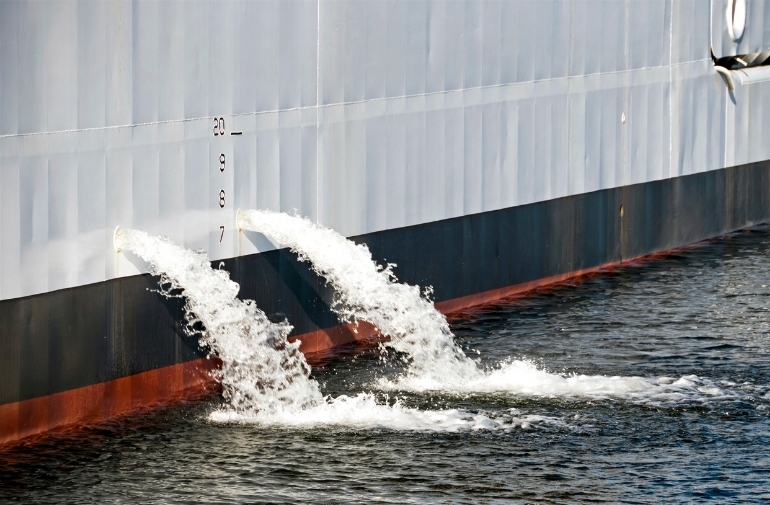
Ballast water treatment plays a critical role in protecting marine ecosystems from the harmful effects of invasive species. Ballast water, which is taken on by ships to stabilize them during their voyage, can contain a variety of marine organisms, including bacteria, viruses, and invasive species. When ships discharge ballast water at their destination, these organisms can be introduced into new environments where they may have no natural predators. This can lead to significant ecological imbalances, as invasive species often outcompete native organisms, disrupt ecosystems, and harm local biodiversity. As a result, the proper treatment of ballast water has become essential for marine conservation efforts worldwide.
The importance of proper ballast water management cannot be overstated. Without adequate treatment systems, ballast water can serve as a vector for the spread of invasive species, which can wreak havoc on marine ecosystems. For example, the introduction of zebra mussels in the Great Lakes of North America, via ballast water discharge, has caused widespread damage to local fisheries and water infrastructure. Other examples include the spread of harmful algal blooms and the disruption of food chains due to the introduction of non-native species. To prevent these harmful consequences, shipping companies are increasingly turning to advanced ballast water treatment systems that eliminate or neutralize harmful organisms before the water is discharged.
There are several key technologies used in ballast water treatment systems, each with its own advantages and challenges. One common method is mechanical filtration, which involves passing ballast water through a fine mesh to physically remove larger organisms and particles. Another method is chemical treatment, where disinfectants like chlorine or ozone are added to the ballast water to kill or neutralize harmful organisms. Ultraviolet (UV) light is also used in some systems to sterilize organisms in the water. Additionally, some ships use a combination of these methods to ensure maximum efficacy. The choice of technology often depends on the type of ship, the volume of ballast water, and the regulatory requirements in the region where the ship operates.
The environmental impact of untreated ballast water on local biodiversity can be severe. When invasive species are introduced into a new environment, they often have a competitive advantage over native species, as they may lack natural predators or competitors. This can lead to the displacement of native species, a reduction in biodiversity, and the alteration of entire ecosystems. In some cases, invasive species can also introduce diseases or parasites that further harm native populations. Over time, these changes can have cascading effects on the food chain, fisheries, and even the local economy, as the health of marine ecosystems is closely tied to human industries like fishing and tourism.
Recognizing the threats posed by ballast water discharge, global regulations have been established to address this issue. One of the most important regulatory frameworks is the International Maritime Organization's (IMO) Ballast Water Management Convention, which came into force in 2017. This convention requires all ships to implement ballast water treatment systems to prevent the spread of invasive species. Ships must also maintain records of ballast water management activities and ensure that their systems are functioning properly. Compliance with these regulations is mandatory for most vessels, and failure to meet these standards can result in fines, detentions, and other penalties. These regulations are a critical step toward protecting marine environments from the negative impacts of ballast water discharge.
To comply with the Ballast Water Management Convention, ships must install approved ballast water treatment systems and follow specific operational procedures. This includes conducting regular maintenance on treatment systems to ensure they are functioning effectively and keeping accurate records of all ballast water management activities. Ships are also required to conduct ballast water exchanges in designated areas, away from coastal ecosystems, to further reduce the risk of introducing invasive species into sensitive habitats. Non-compliance with these regulations can result in serious legal and financial consequences for shipowners and operators, making it essential for the maritime industry to prioritize proper ballast water management.
The field of ballast water treatment is constantly evolving, with new technologies and innovations emerging to improve the efficiency and environmental benefits of treatment systems. Recent advancements include the development of more energy-efficient UV systems, the use of environmentally friendly chemicals, and real-time monitoring systems that allow ship operators to track the effectiveness of their treatment processes. These innovations not only help ships meet regulatory requirements but also contribute to broader marine conservation efforts by minimizing the environmental impact of shipping activities. As the shipping industry continues to grow, the adoption of advanced ballast water treatment technologies will be crucial in preserving marine biodiversity and protecting the health of the world's oceans.
Leave A Message